Redefine Creative Process
Why We Fear Actually Creating — And How to Move Through It
An honest reflection on how fear shows up before making — and what shifts when we start anyway.
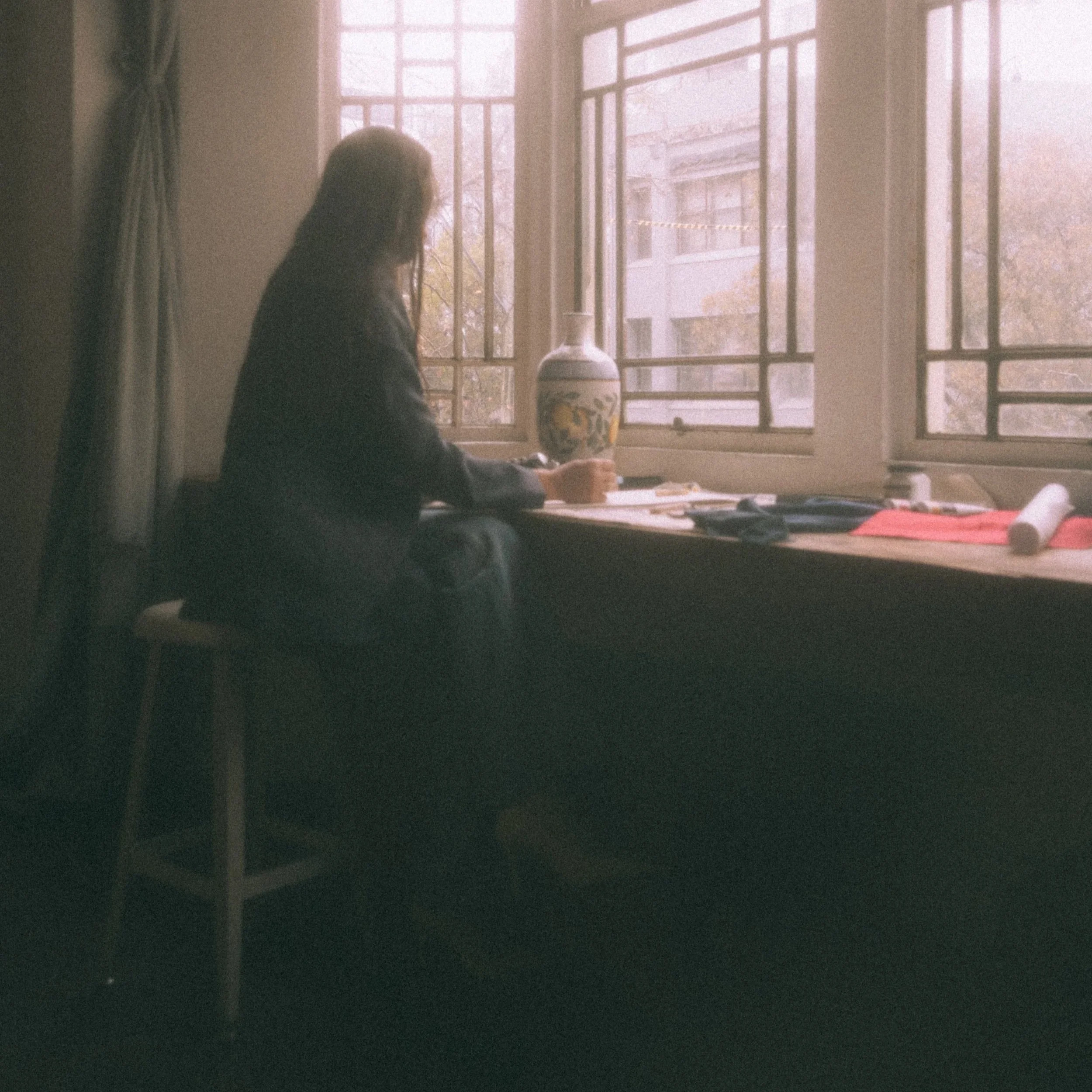
There’s a quiet fear that lives behind the scenes of every creative life. A fear of production. It doesn’t always show up as obvious anxiety or panic - often it lives in the fog of resistance, in the endless “later,” in the way you can think about making a masterpiece for weeks without ever touching a brush or opening a blank page of writing. I know that fear intimately because I just felt it as I sat down to write this article. I knew this piece would help people - and yet, I hesitated, shifted in my chair, checked my phone, drank two coffees — all before I allowed myself to begin. That hesitation wasn’t fear of failure. It was a subtle pressure - a sense that what I produced might somehow not be right, might not matter, might not measure up to the version of perfection in my mind.
And then something shifted.
As soon as I began — really began — the fear dissolved into excitement. The pencil moved. Words poured. That’s not magic. That’s how it actually works. Because fear isn’t the enemy. It’s the signal calling you to create.
The act of beginning is often mistaken as a technical step in the creative process. In reality, it is psychological. Many artists do not struggle with ideas. They struggle with initiation. The blank canvas, the unwritten page, or the untouched material does not simply represent potential. It represents exposure. The fear of making is rarely about the act itself. It is about what the act might reveal.
The Myth of Readiness
A persistent illusion in creative life is the belief that one must feel prepared before starting. This illusion creates a false hierarchy: readiness first, action second.
However, in practice, the opposite is true.
Resistance shows up in many ways, and it rarely announces itself clearly.
You might recognise it in:
A mental association between creating and failure — your brain thinks creation equals judgement or not-enoughness.
The pressure to make something extraordinary — an expectation of Picasso-level genius before even starting.
Comparison — looking at others and shrinking your own vision.
Craving validation — wanting applause before making.
These are the invisible blocks every creative understands - yet no one seems to talk about them. So here’s the truth: You don’t need to be perfect to begin. You just need to start. Clarity emerges through action. Momentum generates confidence. Waiting does not produce readiness. It produces distance.
When I sat down to write this article, I noticed resistance immediately. Not because I lacked thoughts, but because I felt the pressure of outcome.
Would it be articulate enough? Insightful enough? Worth reading?
That pressure is not uncommon. It is a by-product of expectation.
Expectation and the Weight of Outcome
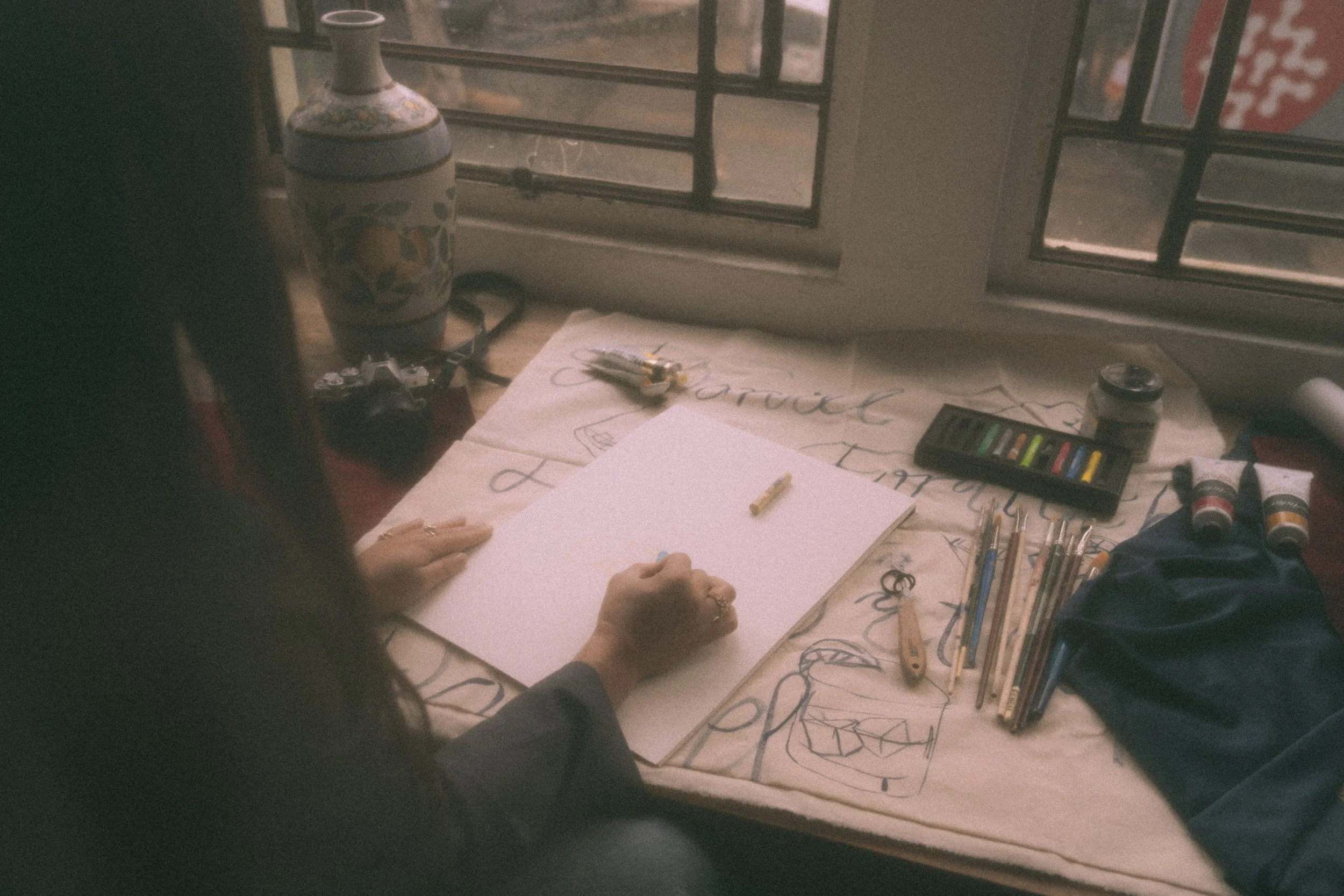
Creative resistance intensifies when the outcome is pre-imagined as extraordinary.
When the mind projects a masterpiece before the first mark is made, the body freezes. The gap between imagined perfection and present capacity feels too wide.
This is where many artists stall. The issue is not talent. It is attachment to outcome. Once the expectation is loosened, the act of making becomes experimental rather than performative.
The Psychological Shift of Beginning
There is a measurable internal shift that occurs once action begins.
Resistance transforms into engagement.
Pressure dissolves into rhythm.
Anxiety transitions into focus.
When I finally sat down and wrote this article, something changed inside me.
The fog lifted.
The pressure became momentum.
The fear became excitement.
That shift - from resistance to expression - is so strong. It’s not an accident. You’ve felt it too.
It happens when:
• You stop waiting for a miracle to happen before starting.
• You accept where you are in the creative journey.
• You allow your first mark to be imperfect.
Instead of waiting for something amazing to come out of you, you begin with what’s here. And that’s the real miracle.
From Illusion → Inner Power
Here’s how the shift works:
Illusion → Fear → Resistance → Beginning → Expression → Joy
You start in illusion — imagining a perfect outcome before you ever start.
Then you feel fear and resistance. And when you begin anyway, everything changes. What you thought might be a wall turns into a doorway.
Practical Application
To reduce resistance at the point of beginning:
Separate creation from evaluation.
Limit sessions to a defined, manageable duration.
Document insight rather than judging output.
Remove the demand for significance in early stages.
These are not motivational tools. They are structural adjustments.
When artists treat their practice as performance, fear grows. When they treat it as inquiry, curiosity replaces fear.
This reframing alone can alter the entire creative experience.
Reflection for You (Try It Now)
Right now, pause and reflect.
Which of these resonate?
Do you avoid beginning because you think your idea isn’t ready?
Do you compare your early work to someone’s finished work?
Do you want validation before you allow yourself to make something?
Write one sentence about what fear shows up for you before creating - just one.
That simple act of naming it dissolves part of its power.
Your Invitation
Creativity doesn’t have to be heavy or painful. It can be light. It can be playful. It can be an expression of joy - not a battle. But that shift doesn’t happen without action.
So here’s the question: What small step can you take now — right after reading this — to begin creating?
A first line. A first sketch. A first mark.
PS. No one needs to see it. It doesn’t need to be perfect. It just needs to be. And in that existence - meaning begins.
If You Want More
In the next article, we’ll explore how comparison specifically shuts down creative flow - and what it really means to turn your gaze back to your own voice.